Creating immersive experiences sounds
exciting on paper. In real life AV consultants, system integrators, museums and
experience centres face many practical problems. The room may be too small or
too low.
Visitors might block the content with their
shadows. Bright lights can make projected images hard to see.
Sometimes the projector just can't be
placed where it needs to be.
These problems are common in India. Many
exhibition spaces, museums, retail areas and corporate experience centres have
to work with existing buildings. They don't have spaces built for the
experience.
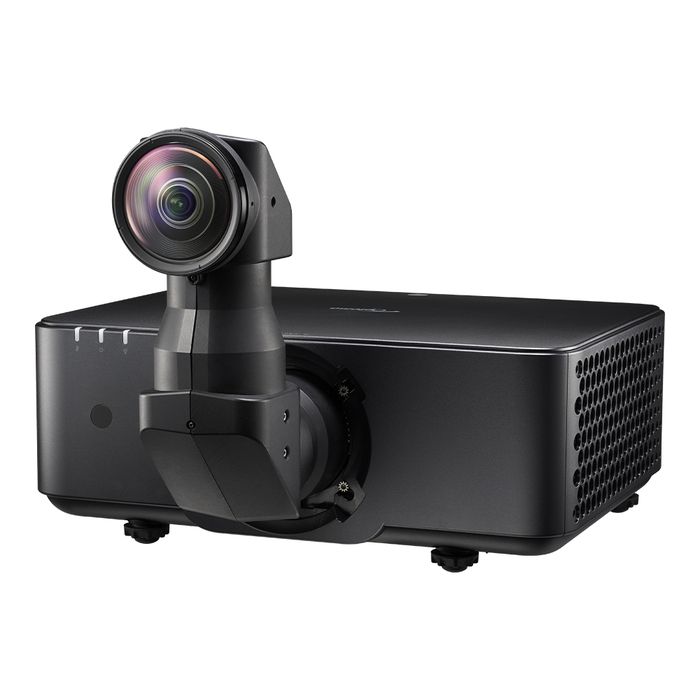
Optoma’s A28 periscope lens and ZK Series
projectors can help solve these problems. Optoma provides a powerful
solution for immersive experiences, with A28 periscope lens and ZK Series
projectors.
Not Every Challenge Is About Space
When thinking about projection challenges
people often think about room size. But even big venues can have installation
problems.
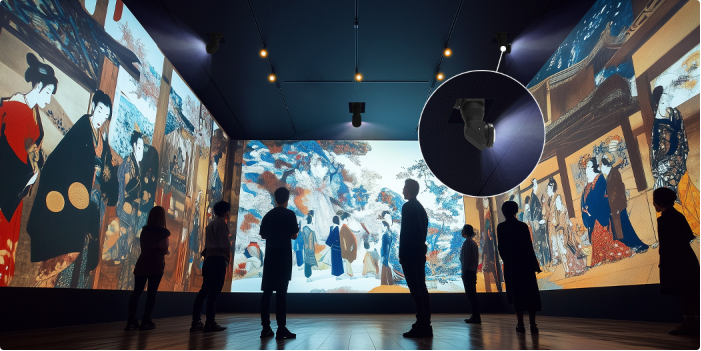
A museum might want to hide the projector
so it doesn't ruin the aesthetic of the exhibit. A corporate experience
centre needs visitors to get close to projected content without making
shadows. A retail activation might need a large image without dedicating
valuable floor space for projection equipment.
The real challenge is flexibility.
Optoma solves this with the A28 periscope lens, which
has an ultra-short throw ratio of 0.36:1. This means the projector can be close
to the screen and still show great visuals. This gives designers, consultants
and integrators greater freedom. They can create experiences without room layouts
getting in the way.
The Optoma A28 periscope lens helps them achieve this. The projector and Optoma
A28 periscope lens work together to make it easier to set up projections in
limited spaces and provide great visuals.
Solving One of Projection's Biggest Problems: Shadows
Anyone who has used projection technology
knows how frustrating it can be when someone walks in front of the projector
and a big shadow appears on the screen. It's really annoying in immersive
environments where you want people to feel engaged.
The A28 lens helps solve this problem by
letting you place the projector close to the wall or screen.
This means visitors can move around freely
without blocking the image. For places like museums, interactive exhibits and
educational centres this makes the experience better and more fun for visitors.
The A28 lens makes it possible for visitors
to engage smoothly with the content without interruptions. It is particularly
useful for experience centres where immersive engagement's key.
Bright, Detailed Visuals That Stand Out
Of course, installation flexibility means
little if the image quality doesn't deliver.
The Optoma ZK1320 and ZK1120 are designed
for places where image performance matters. These projectors are high
brightness, up to 13,500 lumens for the ZK1320. 11,000 Lumens for
the ZK1120.
This is especially useful in India, where
many venues cannot maintain complete darkness throughout working hours. Open
exhibition halls, buildings with glass fronts and multi-purpose spaces often
have ambient light that can make images look bad.
With high-brightness laser projection the
content remains vibrant, impactful and grabs attention. This helps visitors
focus on the experience instead of struggling to see the visuals. The Optoma
ZK1320 and ZK1120 projectors make sure that the visuals look great and deliver
high performance.
Brightness alone is not enough. The ZK
Series also gives 4K UHD resolution. This means that artwork, digital content
and architectural visualisations look sharp and detailed on big screens. When
visitors are close to the content these details matter.
Designed for the Realities of Installation
High-brightness projectors were
traditionally bulky and hard to set up.
Optoma did things differently.
Despite the excellent performance, the
ZK1320 and ZK1120 projectors
are compact and light, weighing 16.8 kg without a lens. This makes them easy to
move, hang and install. For system integrators managing multiple installations
or working within tight project timelines, this can make a significant
difference.
Flexibility doesn't stop there. The ZK
series provide different lenses so you can use the right one for your space and
needs. The A28 lens is one example, helping solve problems like space and
shadows. The Optoma ZK series offer 8 lens options to choose from so
consultants and installers can pick the best one, for each job.
Instead of forcing the venue to adapt to the projector, the projector adapts to
the venue.
More Than Hardware: A Complete ProAV Solution
To have a successful immersive experience
you need more than just good image quality. You also need something that's
reliable, easy to control and works well with other systems.
The ZK Series uses Optoma's DuraCore laser
technology, providing long-term performance and helping reduce maintenance
requirements. This is an important consideration for museums, visitor centres,
and public-facing installations that run for long hours.
For larger deployments, Optoma Management
Suite (OMS) allows AV and IT teams to remotely monitor and manage devices,
simplifying day-to-day operations across multiple locations or display
environments.
And for immersive attractions that combine
projection with lighting effects, ArtNet support enables seamless
synchronization between projection and stage lighting systems, helping create
more cohesive and engaging experiences.
The Future of Immersive Experiences
As museums, experience centres, exhibitions,
and corporate environments continue to turn to immersive storytelling, the
demand for flexible projection solutions will only grow.
The combination of Optoma's A28 periscope
lens and the ZK1320 and ZK1120 projectors offers a perfect solution to these
needs.
Whether it comes to shadow-free experiences
and concealed installations, high-brightness visuals, 4K UHD+ image quality,
flexible lens options, and advanced management tools, the solution is designed
to help organizations create immersive environments without any compromises.
Because the best projection technology
isn't just about delivering great content but about making every space work
smarter.